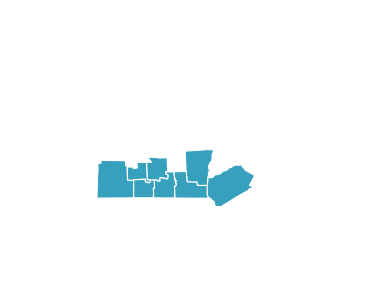
Across the Southern Tier — and across the country — manufacturers are facing the same challenge: finding and keeping skilled talent.
The question isn’t whether the workforce gap exists. It’s how we solve it.
Increasingly, the solution many are leaning toward: Registered Apprenticeships.
And right now, there has never been a better time for manufacturers to take a serious look at what these programs can offer.
Why Apprenticeships — Why Now?
At the national level, apprenticeship programs are gaining momentum as a key driver of workforce development and economic growth. The U.S. Department of Labor continues to emphasize Registered Apprenticeships as a critical strategy to prepare workers for high-demand industries like advanced manufacturing.
These programs combine paid, on-the-job training with structured classroom instruction, allowing employees to earn while they learn and develop real-world, job-ready skills.
For manufacturers, that translates into something even more important:
a reliable, customizable talent pipeline.
Recent national updates have also made apprenticeships significantly easier to implement. New guidance has streamlined approvals (targeting ~30-day timelines), introduced more flexible training models, and reduced administrative barriers — all aimed at helping employers launch programs faster and more efficiently.
In short:
Apprenticeships are no longer complex, slow, or out of reach.
What This Means for Manufacturers in the Southern Tier
Locally, the same pressures exist — and so do the same opportunities.
Registered Apprenticeship programs are designed to help manufacturers:
- Build a pipeline of skilled workers tailored to their specific processes
- Improve employee retention and engagement
- Increase productivity and efficiency
- Strengthen employer-employee relationships
These aren’t theoretical benefits — they’re outcomes already being seen by companies implementing apprenticeship programs right here in New York.
New York State reinforces this approach, positioning apprenticeships as a structured way for employers to develop talent while ensuring consistency, quality, and long-term workforce stability.
Learn From Those Already Doing It
If you’re wondering how to get started — or how to improve an existing program — there’s an opportunity to hear directly from manufacturers who are already seeing results.
National Apprenticeship Week (NAW) will take place April 26–May 2, 2026 and on April 28, SUNY Broome, in partnership with the Greater Binghamton Chamber and regional workforce organizations, is hosting a Manufacturing Roundtable on Registered Apprenticeships.
This session will focus on:
- Real-world examples of apprenticeship success
- How programs can be customized for manufacturing environments
- Available funding streams to offset training costs
- Partnerships that make implementation easier
Most importantly, it’s a chance to connect with peers and ask practical questions about what works — and what doesn’t.
A Strategic Question for Leadership
As you think about your workforce strategy, consider this:
- Are you building your workforce — or competing for it?
Manufacturers who rely solely on hiring from the existing labor pool will continue to feel pressure.
Those who invest in developing their own talent pipeline will define the future of their workforce.
The Bottom Line
Apprenticeships are not just a workforce initiative — they are a business strategy.
They reduce hiring risk, improve retention, and create a workforce aligned with your operations from day one.
And with new national support, funding opportunities, and simplified processes, the barriers to entry have never been lower.
Let’s Start the Conversation
If apprenticeship programs have been on your radar — or if you’re just beginning to explore them — now is the time to act.
We encourage you to attend the upcoming roundtable, connect with regional partners, and start asking the right questions about your workforce strategy.
Because the manufacturers who invest in people today…will be the ones positioned to grow tomorrow.
Contact us at info@amt-mep.org or 607.774.0022